From the packed viewing centers of Lagos to lively street matches in Enugu, football pulses through Nigeria’s daily life. The sport’s momentum isn’t just about thrilling goals—it’s increasingly powered by data analytics and a dedicated network of fans and communities working together. As the local football scene continues to evolve, tech-driven insights blend with deep-rooted tradition, reshaping how players train, clubs strategize, and supporters engage. For Nigerian athletes, fans, and bettors alike, keeping pace means understanding where technology meets passion—and why reliable information now matters as much as skill.
The Fusion of Data Analytics and Football Culture in Nigeria
From the packed stands at Teslim Balogun Stadium to the energetic kickabouts on dusty Makoko pitches, football pulses through every layer of Nigerian society. Yet, it’s not just tradition fueling the passion—data analytics has quietly slipped into the national game, modernizing both how teams play and how fans engage.
Coaches now break down matches with video analysis tools, moving beyond instinct to tailor training drills based on hard numbers—think sprint speeds tracked by GPS vests or pass accuracy measured in real time. Clubs like Enyimba FC have adopted performance-tracking software that reveals when a midfielder is running low or which striker loses steam after 60 minutes. These insights are transforming strategy sessions from guesswork into science—and giving players new targets to chase.
Fans haven’t been left behind either. Detailed stats feed spirited debates across radio shows and WhatsApp groups in places like Abuja and Port Harcourt. Reliable data platforms such as Stake Hunters offer trusted guidance for those seeking verified information before placing bets or engaging friends in fantasy leagues. With so many match outcomes riding on slim margins—and millions wrapped up in local pools—accurate figures aren’t just for the coaches anymore; they’re part of daily discussion among die-hards young and old.
Blending these digital breakthroughs with iconic street games creates a distinctly Nigerian fusion: centuries-old community pride turbocharged by technology. This intersection sets the stage for grassroots leaders and neighborhood clubs to amplify their efforts using everything from scouting apps to mobile stat trackers—a transition reshaping football from Lekki blocks all the way up to national league boardrooms.
Grassroots Power: Community Networks and Local Talent Development
In Nigeria, football’s true engine is found at the grassroots—where dusty pitches, energetic viewing centers, and passionate neighborhood clubs serve as breeding grounds for talent. These local networks do more than ignite crowd enthusiasm; they scout raw ability early and provide the structure budding players need to thrive. Their reach extends far beyond game days. New analytical approaches now weave into these communities’ fabric, informing training drills or guiding selection processes based on observed patterns rather than gut feelings alone.
According to “Harnessing the Power of Community in Football Development: A Nigerian Study“, grassroots networks are central to spreading strategic knowledge and nurturing both athletes and supporters. In many towns—from Enugu’s street academies to Kano’s youth leagues—the blend of tradition with data-driven methods lifts standards across age groups. As technology filters deeper into local circuits, community collaboration ensures modern insights never stray too far from Nigerian football’s beating heart.
Local Leagues and Viewing Centers as Hubs of Engagement
Walk through Mushin in Lagos any weekend and you’ll stumble onto vibrant local matches where dreams take root—and tactics get honed right beside suya stands and clusters of shouting fans. Beyond just offering entertainment, Nigeria’s lively amateur leagues build belonging among youths who might not otherwise have a platform.
Viewing centers double as classrooms for strategic learning. The 2021 AJOL study highlights how communal watching turns global games into group lessons—with seasoned supporters dissecting plays mid-match while future strikers absorb every tactical nuance over shared jollof rice plates. By gathering experienced voices alongside novices on matchdays (and through spirited post-match debates), these spaces nurture informal mentorship channels critical for player growth.
Local leagues benefit directly from this exchange—adopting pressing styles spotted on European screens or tweaking formations after heated VAR arguments echo down stadium lanes in Port Harcourt or Jos. As analytics trends trickle down via television broadcasts or mobile apps displaying live stats, even small-town coaches gain new tools to refine their line-ups or analyze opponents ahead of crucial derbies.
Ultimately, grassroots engagement isn’t just about filling seats—it shapes more aware athletes while giving fans skin in every outcome long before national scouts arrive.
Mentorship, Networking, and Knowledge Exchange
Nigeria boasts a growing legacy where former professionals eager to “give back” bridge gaps for aspiring talents navigating unpredictable sporting pathways. Through intentional mentoring—whether face-to-face at clubhouses in Abeokuta or virtually via WhatsApp voice notes from Europe-based ex-players—knowledge flows upward as easily as it trickles down. While once mentorship relied heavily on familial ties or chance encounters at Sunday fixtures, today’s digital culture broadens access immensely:
- Up-and-comers can connect instantly with seniors nationwide;
- Tactical breakdowns circulate hours after big games courtesy of Telegram groups;
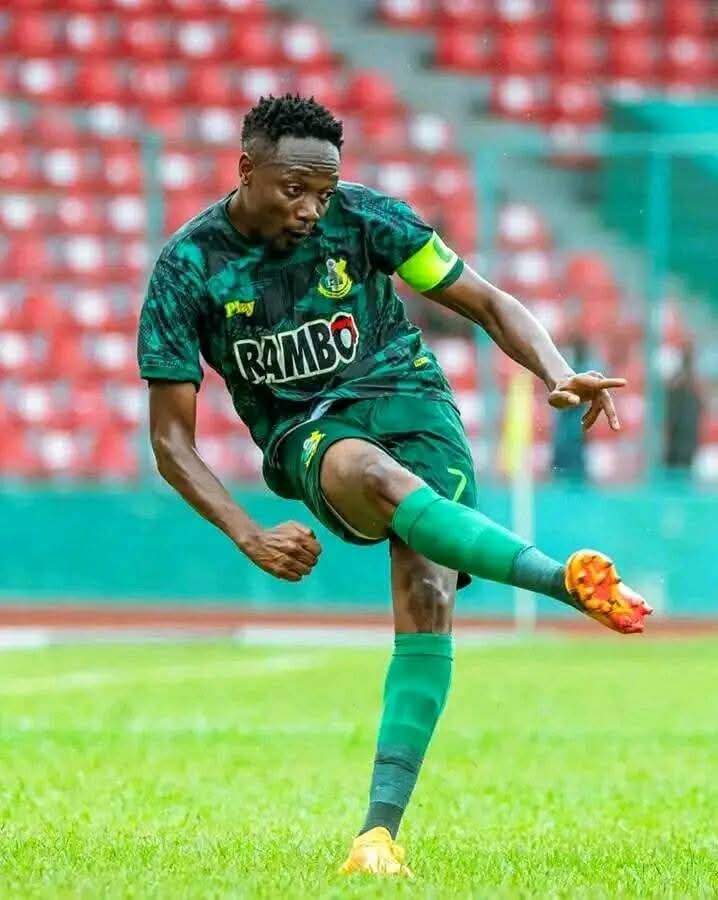
- Facebook Live sessions demystify trial routines so no kid enters tryouts unprepared. This dynamic fosters both accountability (as everyone knows past greats are watching) and ambition (with role models only a DM away). Players like Ahmed Musa have spoken openly about drawing motivation from childhood idol interactions—the sort that now happens daily between brass-band-accompanied goals at Ibadan tournaments.Insightful advice around nutrition plans informed by analytics also finds its way into conversations—even shoe-string teams start using step-tracking watches gifted by alumni working abroad. Technology doesn’t replace traditional guidance but supercharges it: Turning mentorship circles inside Makurdi academy compounds into cross-country programs that combine lived experience with real-time statistical analysis. That alliance powers upward mobility—not just for individuals chasing pro contracts but entire neighborhoods hoping their sons’ next viral highlight will attract scouts’ attention across continents.
Data as Game-Changer: Impact on Performance, Fandom, and Betting
Numbers now shape Nigeria’s football story as much as raw passion. Coaches tap stats to spot weaknesses before kick-off. Fans discuss player heatmaps over pepper soup at Lagos viewing centers. Bettors turn to predictive insights, seeking an edge in a country where the betting culture grows more sophisticated daily. The influence of data isn’t just about optimizing talent; it democratizes knowledge for everyone committed to the game.
The 2022 Frontiers in Sports and Active Living study found that clubs using performance metrics consistently improve their outcomes—while fans and tipsters rely on up-to-date stats for smarter engagement and more savvy wagers.
Next-Level Scouting and Performance through Statistics
For Nigerian clubs fighting for league success or developing future stars, reliable data drives every key decision. Gone are the days when a standout dribble alone secured a contract; now coaches pore over passing accuracy numbers, sprint speeds, even minute-by-minute positional shifts.
According to the 2022 Frontiers in Sports study, teams embracing analytics see faster improvements in player training routines and tactical planning compared to those still going by gut feeling or tradition alone. Clubs like Enyimba FC have modernized their scouting systems—they filter hundreds of regional talents with algorithmic evaluations before boots ever hit grass at Aba Stadium trials.
This approach helps club managers identify diamonds-in-the-rough from bustling cities like Kano or less-heralded townships outside Jos. Stat-heavy reports allow backroom staff to compare youth academy prospects across physical endurance benchmarks, technical skills scored via digital tracking tools, even mental attributes logged during live match play.
It’s changed not only who gets discovered but also how quickly players adapt once drafted into competitive squads—a collective win for athlete development nationwide.
Informed Fans, Responsible Betting, and the Rise of Educational Platforms
Fans aren’t mere spectators anymore; they’re active analysts charting everything from team form trends to possession percentages across multiple matches each weekend on local apps or group chats.
Data gives supporters new ways to test their hunches against hard evidence—and has fueled smart betting habits too (a huge shift from blind luck punts). The recent surge in educational guides tailored specifically for Nigerian enthusiasts means both rookie punters and seasoned bettors can sift verified information instead of superstitious rumors passed around Big Brother Naija breaks.
Platforms powered by robust statistical feeds offer tips rooted in real match histories rather than myths (“they always win away on Fridays!”). Communities increasingly push responsible gaming messages alongside odds breakdowns—often referencing studies like Frontiers’ findings that informed decisions reduce riskier behavior overall among Nigerian bettors.
By making education part of every click—from bet slips on Sundays after church services to WhatsApp soccer quiz nights—Nigeria is building a savvier generation of fans who use data not just for fun but self-restraint too.
Social Media and Digital Communities: The New Era of Football Fandom
Scroll through a Nigerian football Twitter thread during match night, and you’ll witness analysis sharper than some post-game shows. Digital platforms have rapidly changed the way Nigerians experience football—blending tradition with technology in real time. WhatsApp groups buzz with tactical predictions before kickoff, while niche forums dissect every controversial referee call long after the final whistle.
This digital shift has made fandom more interactive and immediate. Fans now create polls tracking player performances, circulate memes after big wins or losses, and crowdsource line-up opinions hours before matches begin. Through these online touchpoints, both seasoned supporters from Jos to fresh voices in Port Harcourt can connect instantly—even if they’re miles apart.
Online communities aren’t just about banter; they’ve become vital for knowledge-sharing and fan mobilization across Nigeria’s rich football landscape.\
Viral Moments, Hashtags, and Digital Debates
One Lagos derby can spark hundreds of hashtags (#EkoClash trended top three nationwide last summer), as fans duke it out with wit and stats on X (formerly Twitter). These viral moments often cross into mainstream media; analysts sometimes pick up trends that started among grassroots accounts.
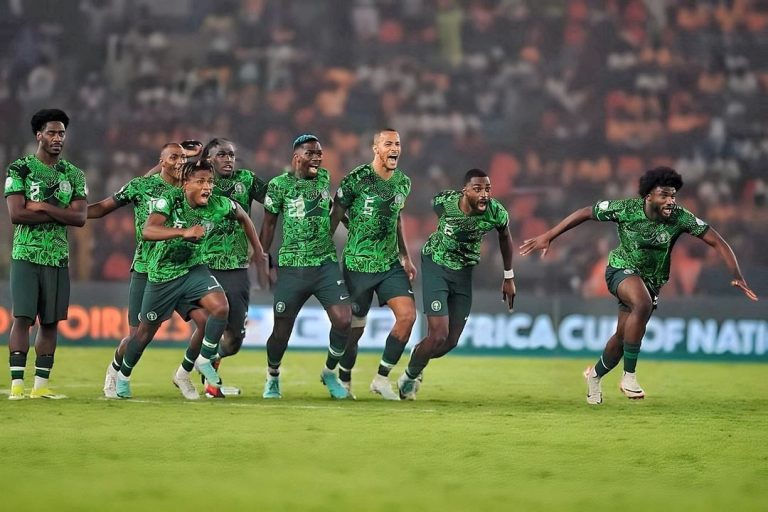
During AFCON qualifiers, debate surges are common: a hot pass sequence or sub decision gets broken down frame by frame within minutes on Telegram channels dedicated to Super Eagles strategy. Meetups organized on Facebook bring together local Liverpool FC supporters—or organize charity viewing events for underprivileged kids during major tournaments.
Digital debates aren’t always lighthearted; accountability is high stakes in Nigerian spaces where fake news—and suspicious match-fixing claims—sometimes swirl. Quick-thinking admins in popular WhatsApp groups step up as fact-checkers (“Video evidence please!” became a recurring chant during 2023’s VAR controversies).
These debates blend entertainment (think: meme battles after missed penalties) with critical insight drawn from live data streams. This fast-paced dialogue keeps even remote fans deeply invested—and helps break geographical barriers that once left rural talent invisible to city scouts or national selectors.
In short: social media has given Nigerian football not only its loudest megaphone but also its sharpest analysis table.\
Online Communities Fostering Collaboration and Accountability
Local clubs like Shooting Stars SC now operate bustling Facebook pages where former players offer coaching tips via livestreams—a direct mentorship line younger generations never had pre-internet era.
Forums dedicated to NPFL (Nigeria Professional Football League) updates have become clearinghouses for transfer rumors—to sift fact from fiction members check sources collaboratively before spreading news further afield (“Source na? Photo abi video?” is standard protocol). In one instance last year, an Ibadan-based supporters’ group famously crowdfunded medical care for an injured grassroots goalkeeper whose plight came to light via widely-shared Instagram posts.
Platform-driven campaigns don’t stop at club loyalty either: when Enyimba FC faced league sanctions over stadium safety issues in Aba, community-run X Spaces quickly gathered input—including safety suggestions from engineers based outside Nigeria—and compiled recommendations delivered straight to club management within days. Result? Faster renovations funded by joint efforts between alumni groups at home/abroad.
These virtual communities now function as Nigeria’s informal watchdogs—calling out poor officiating using timestamped clips or offering practical solutions when ticketing chaos hits crowded Abuja viewing centers ahead of international fixtures.
Football fandom here isn’t passive scrolling anymore—it’s collective action, lived experience shared (and shaped) every day online by millions across the country who expect their voices will be heard beyond the pitch itself.
The Ties Between Data, Community, and Football in Nigeria
Nigeria’s football scene is thriving on a unique blend of tradition and innovation. As data-driven analysis unites with the passion of grassroots networks—from Lagos viewing centers to digital fan groups—everyone benefits: players grow sharper, fans feel closer to the action, and communities stay connected. This synergy isn’t slowing down; expect smarter storytelling around matches, more scout-worthy local talent surfacing through analytics, and even tighter community bonds as technology grows alongside cultural rituals. Together, data and community are fueling a football renaissance that shows no signs of stopping.