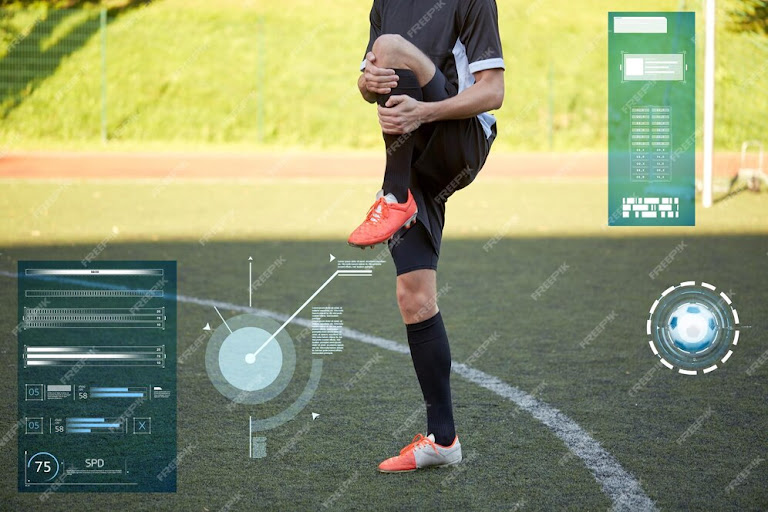
Wearable devices are changing football in remarkable ways. These high-tech gadgets allow teams to monitor players’ performance and health like never before. Coaches can now access real-time data on a player’s speed, heart rate, and overall physical condition during a game. This helps in making better decisions on the field and in preventing injuries. Players benefit, too, as the data provides insights into improving their training and avoiding burnout. Technology is turning football into a more data-driven sport, where performance is finely tuned and health is carefully managed.
Types of Wearable Devices Used in Football
Several types of wearable devices are commonly used in football. Players wear GPS trackers to monitor their movement and speed across the pitch, offering coaches valuable data on positioning and stamina. You can also follow this data by getting a Melbet download. Bright clothing embedded with sensors tracks physical exertion and muscle activity, giving insights into a player’s fitness levels.

Heart rate monitors are another crucial tool, helping assess cardiovascular health and ensuring players perform at their best without overexerting themselves. These technologies play a vital role in assisting teams in optimizing performance while keeping players safe and healthy.
Improving Player Performance by Data
Smart devices gather vast data, changing the approach to training and playing football. What can we say if they are even changing the approach to betting on Melbet Bangladesh? Here’s how this data is used:
- Training schedules are now developed based on data collected from players, meaning players will work on their weaknesses.
- Game tactics are getting refined as coaches can study details to determine the abilities of their players and the opposition.
- Team development is less specific, and information about the players’ fitness, fatigue, and recovery rate helps keep them at their best.
All these make football more tactical and players efficient in their operations on the field.
Privacy and Ethical Considerations
Privacy is one of the most significant issues regarding wearable devices in football. Players produce a great deal of personal data, including heart rates and location on the field. But who owns this data? Players must be able to own their data and comprehend how it is being utilized. This means that teams and tech companies must be very open about data collection and only collect data for the proper purpose.
The use of this data is as ethical as its collection. There’s a thin line between enhancing performance and infringing on users’ rights to privacy. Coaches and analysts should respect players’ rights and not exploit such information. This means that clear rules and regulations must be set and signed between the players and the teams to safeguard the players while the teams get the gains that come with wearable technology.
Challenges in Implementing Wearable Tech
Wearable technology has received much attention recently, and this paper will discuss some of the challenges associated with implementing it.
The use of wearable tech in football has the following challenges. One of them is the accuracy of the device. The collected data has to be accurate to serve its purpose, though sensors may be influenced by factors such as players’ movement or weather. It is essential to ensure that the technology provides accurate data all the time.
Another challenge is that the players have to obey the game’s rules. Some players may not be willing to wear such devices, which may result in inconsistent data collection. Also, there are the risks of technology distractions. This is whereby the technology used in a project is likely to divert the attention of the people involved. Players may get carried away with data and need to remember what the game is all about. To this end, the implementation of wearable tech must balance the advantages with these possible disadvantages.
Case Studies: Wearable Technology in Professional Football
Perhaps the most prominent case of wearable tech in football is Manchester City. The club also employs GPS trackers and smart vests to track players’ movement and physical stress. This data assists the coaching staff in modifying the training intensities and maintaining the players’ fitness levels. It also helps prevent injuries due to the early signs of fatigue that the system may detect.

Another great example is Barcelona, which uses devices to monitor the players’ heart rate and muscle activity. This information is essential for designing training programs for the employees. The club has observed a lack of injuries and an increase in the players’ stamina after adopting this technology. These real-life examples demonstrate how wearable technology can be used to positively impact the players.
A Look into the Wearable Technology in Football
As time passes, football’s exceptionally wearable technology will continue to develop. Gadgets tracking the body’s water intake or machines forecasting potential injuries with higher precision may become possible. These innovations will assist the players in becoming healthier off the field and better performers on the field.