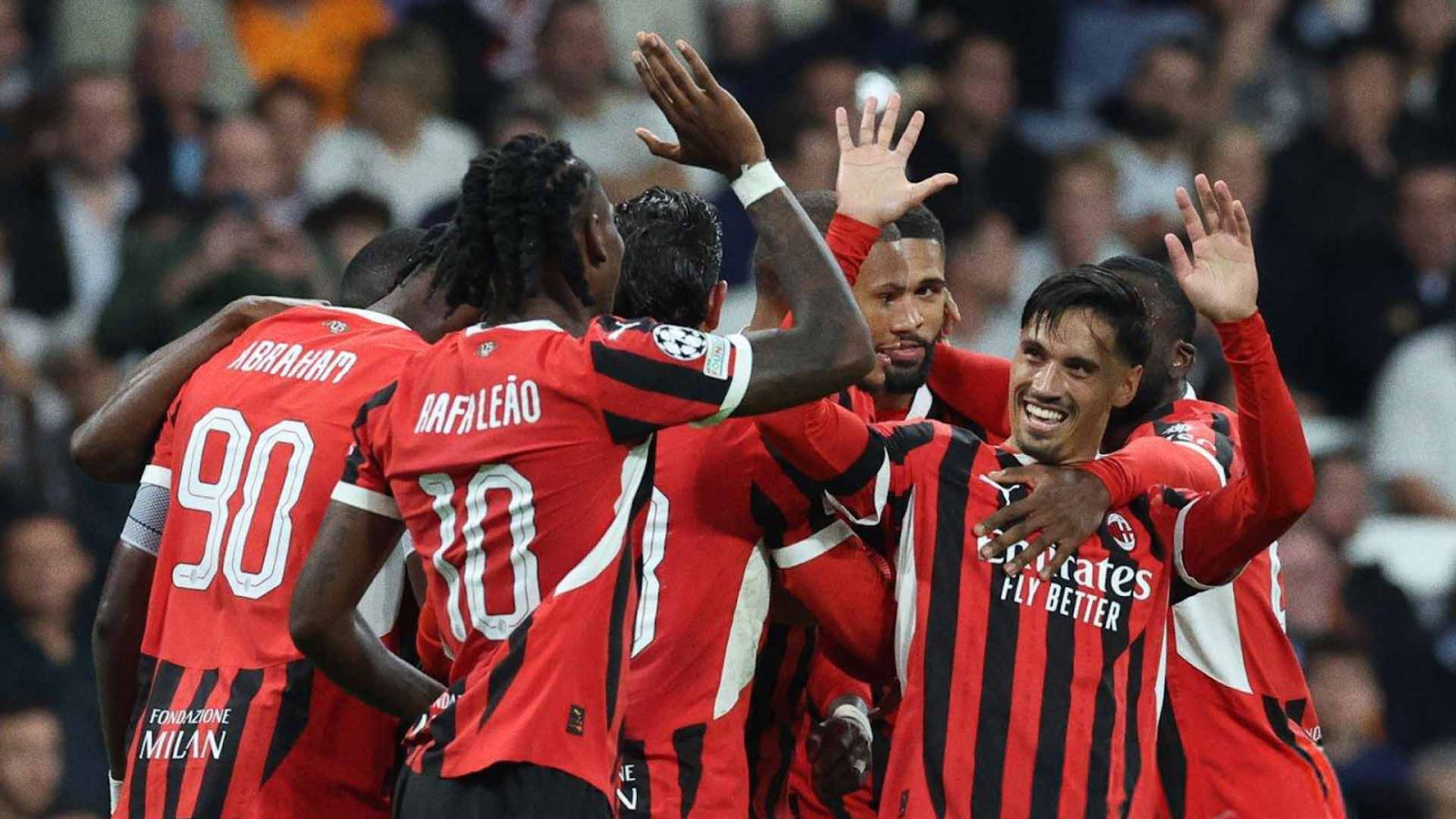
One FC Milan star’s abrupt injury jolted the odds overnight. Within hours, bookies shifted their lines – fast. What altered? Why did figures jump so quickly? Markets handle surprises like these more smoothly than most expect. Numbers tell the story plainly. Here it remains true: bets offer fun, yet the operator still holds the upper hand.
Injury Effects on How Teams Play
Eighteen goals came from the hurt forward last season, and even brands linked to casino online platforms like online casino games have noticed how individual performance can shift market attention. Despite injuries, he built 42 solid opportunities in total, a level of output that even betting and casino online analysts often use when shaping player-related odds and special markets. A steady 7.6 mark followed him after every game. Confidence in trading circles grew because of that output. Odds shifted when updates arrived – Milan had been set at 1.85 earlier.
Six hours passed before the numbers climbed to 2.30. Not panic, just cold calculation taking over. When a key figure leaves mid-flow, others stumble. Rhythm breaks because routines warp. New faces arrive, yet timing stays off until games add up. Right away, data models show where the gaps are. As soon as that happens, markets move in step with them.
How betting markets respond
Midway through a match update, bookmakers spot injury reports on streaming alerts. Right after news hits, traders shift odds – sometimes in under sixty seconds. Old game data rolls into algorithms when one key name drops out. With sharp eyes, systems check how much ground was lost – or kept – in those moments. Looking closely at how well shots are placed plus mistakes made when defending. When he plays, Milan scores two point one goals each game.
Without his presence during matches, that number falls to one point four. This kind of detail makes value rise fast. When news breaks, people tend to jump in fast. Those who act early might find better odds waiting. As more bets come through, things generally settle down. Clever players look close at team backups and how coaches adjust. Most crowd-driven cash rushes toward what’s loud right now. Key factors that move odds include:
- Player scoring contribution percentage
- Defensive stability without the starter
- Recent fitness and training reports
- Strength and form of the next opponent
The House Keeps Its Advantage
A figure like 2.30 won’t ever show real odds, hidden costs bend it. Bookies bake in their cut early – around six out of every hundred. This sliver sticks no matter what happens late in play. Probability gets stretched by design each time. Their gain hides inside every number offered.
Over many bets, small advantages add up fast. Winning at first seems thrilling, almost electric. Yet slowly, numbers tilt toward the house. Treating gambling like a show you pay for makes sense. It will never replace real work or steady money. Small choices guard your cash and hours. Before playing, decide exactly what you can spend. Short bursts of play work better than long stretches. Write down each bet, then go over them once a month.
After losing, step away for a while – clear heads make smarter moves. Time off keeps things steady. When gambling feels less fun, it is time to reach out. Following an injury, how fast markets react becomes obvious. Adjustments happen quickly, shaped by real team results. Even so, the advantage always leans toward the house. Sticking to firm boundaries helps maintain control and keeps things steady.